

More traffic SEO is the wrong goal when it focuses only on increasing visitors without improving conversions, intent, or revenue. Traffic alone does not grow a business; results do.
For years, businesses have been taught that SEO success means getting more people to visit their website. It sounds logical. More visitors should mean more opportunities, more leads, and more revenue.
But in reality, that assumption often leads businesses in the wrong direction.
You can have thousands of people visiting your website every month and still struggle to generate meaningful results. You can see growth in analytics dashboards while your revenue stays flat. And that disconnect creates confusion.
This is where most SEO strategies fail.
They focus on traffic instead of outcomes.
SEO is not just about visibility. It is about attracting the right audience and guiding them toward action.
Why More Traffic SEO Fails (Even When It Looks Successful)
More traffic SEO fails because it prioritizes volume over intent.
Not every visitor coming to your website is a potential customer. Some users are simply exploring. Others are looking for general information. Only a small percentage are actively searching for a solution and are ready to take action.
When your strategy is built around increasing traffic alone, you attract a wide audience but not necessarily the right one.
This leads to a pattern many businesses experience:
- Traffic increases
- Engagement stays low
- Conversions remain stagnant
Over time, this creates the illusion of success without real business growth.
Why More Traffic Without Conversion Is a Dead Metric
Traffic without conversion is a vanity metric. It may look impressive in reports, but it does not translate into revenue.
If your website is not generating leads, then your SEO strategy is incomplete.
- SEO brings people in
- Conversion turns them into customers
Unqualified traffic has limited business value unless it actively contributes to meaningful outcomes like sales, pipeline generation, or qualified leads. Visibility alone can mask underlying conversion flaws, leading to vanity growth without bottom-line revenue.
The Volume Trap: Raw Traffic vs. Conversion Rate in Practice
To understand why traffic volume alone is a deceptive growth metric, consider two businesses with vastly different organic approaches:
| Metric | Company A (Broad Traffic Strategy) | Company B (Intent-Driven Strategy) |
| Focus | High-volume informational keywords | High-intent commercial keywords |
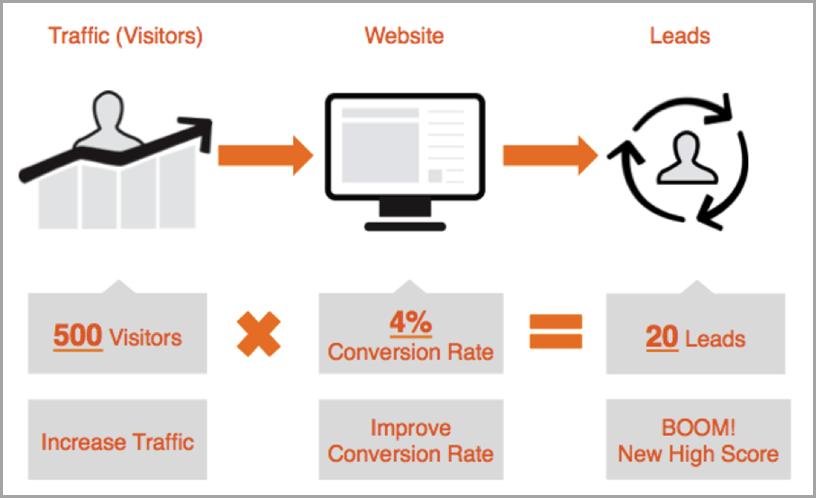
| Monthly Visitors | 100,000 | 20,000 |
| Conversion Rate | 0.4% | 4.0% |
| Monthly Qualified Leads | 400 | 800 |
| Customer Acquisition Cost (CAC) | High (Low team efficiency) | Low (Pre-qualified prospects) |
Company A spends significant resources attracting top-of-funnel readers who leave without taking action. Company B attracts 80% less traffic, yet yields double the qualified leads by targeting users actively seeking solutions. Review our proven SEO case studies to see how intent-driven campaigns consistently outperform high-volume traffic models.
What Google Actually Rewards (Not Just Traffic)
Google’s helpful content systems have evolved to prioritize user intent, page experience, and strong E-E-A-T and authority signals over raw click volume.
This means:
- Relevance matters more than reach
- Intent matters more than volume
- Experience matters more than traffic
If your SEO strategy is only focused on increasing visitors, it is not aligned with how modern search engines work.
The Real Goal: Qualified Traffic, Not More Traffic
The real goal of SEO is not more traffic, it is qualified traffic.
Qualified traffic means users who:
- Have a clear problem
- Are actively searching for a solution
- Are more likely to take action
This shift changes how you approach SEO.
Shifting your approach from asking “How do I get more traffic?” to “How do I attract high-intent buyers?” fundamentally changes your high-intent keyword strategy and directly impacts customer acquisition metrics.
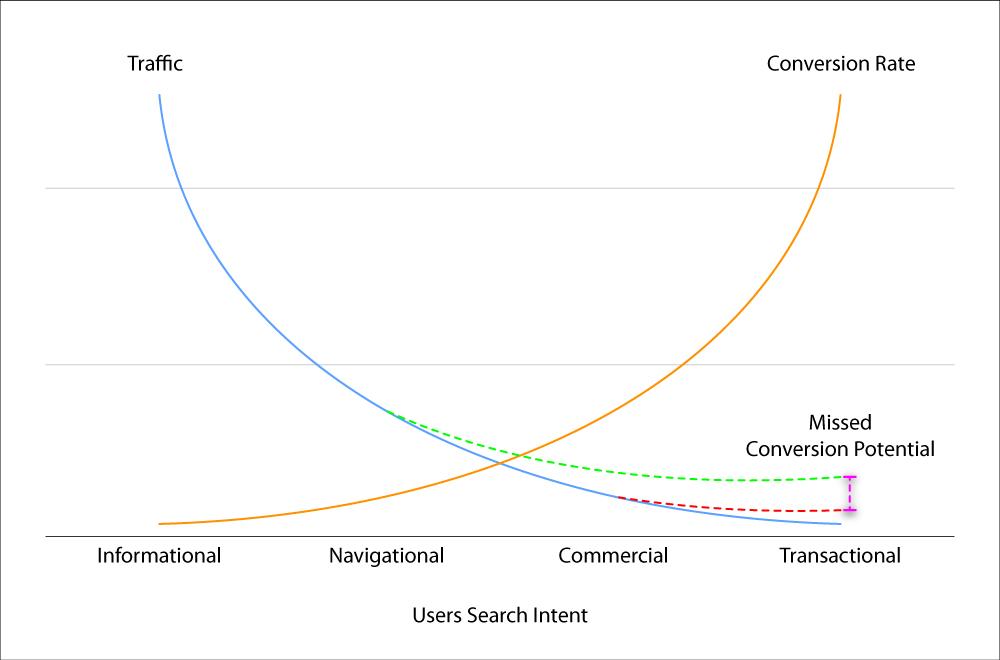
Organic Traffic vs. Qualified Traffic: Intent Mapping Across the Funnel
Not all organic sessions carry equal revenue weight. To capture qualified traffic, search keywords must map directly to specific stages of the conversion funnel and their corresponding intent:
Top of Funnel (Informational Intent):
User Goal: Researching broader industry topics (e.g., “What is organic traffic?”).
Conversion Impact: Low direct conversions; builds broad brand awareness.
Middle of Funnel (Commercial Intent):
User Goal: Comparing solutions and strategies (e.g., “SEO vs. PPC for B2B growth”).
Conversion Impact: Moderate conversions; builds pipeline via downloadable assets or email signups.
Bottom of Funnel (Transactional Intent):
User Goal: Ready to purchase or hire (e.g., “Conversion-driven SEO agency”).
Conversion Impact: Highest conversion rate; directly generates demo requests, calls, and sales.
- Focusing on building topical SEO authority across these core transactional categories ensures maximum pipeline revenue.
How User Behavior Impacts SEO Performance
User behavior plays a major role in determining whether your SEO strategy works.
According to Nielsen Norman Group, users scan websites and make decisions quickly. If they do not find clarity or relevance within seconds, they leave. Ensuring a fast, responsive Technical SEO foundation prevents friction so users stay engaged and convert.
This means that even if your SEO strategy brings more traffic to your site, they will not stay or convert unless your content matches their expectations.
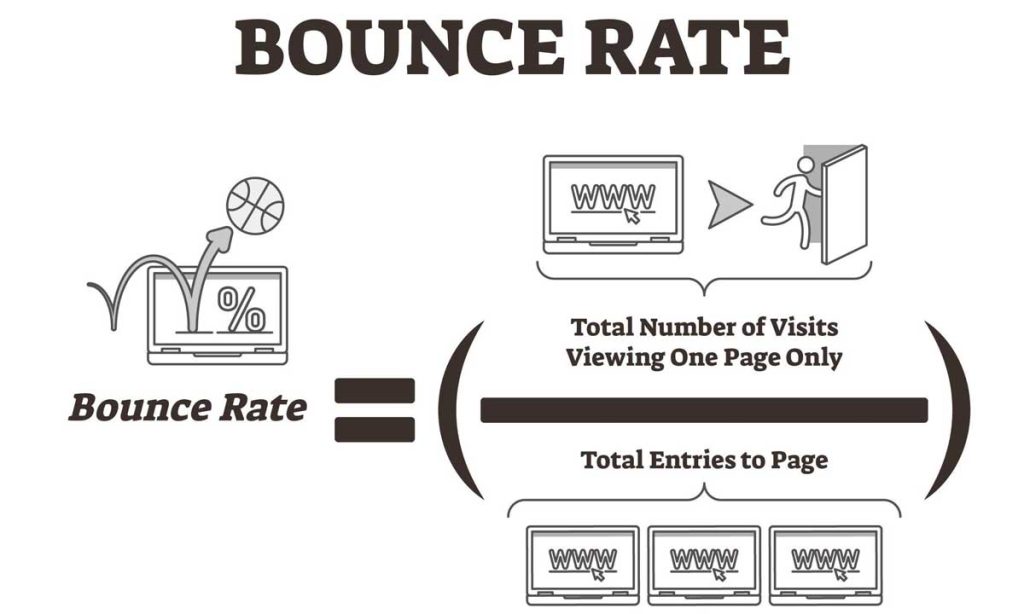
Traffic without alignment leads to:
- High bounce rates
- Low engagement
- Poor conversion rates
What You Should Focus on Instead of More Traffic SEO
Focus on High-Intent Keywords
What You Should Focus on Instead of More Traffic SEO Adopting a human-first SEO strategy ensures your messaging resonates with actual decision-makers rather than search engine bots alone.
Focus on High-Intent Keywords Instead of targeting broad keywords, focus on search terms that indicate action and intent.
High-intent keywords bring users who are closer to making a decision, which improves both engagement and conversions.
Build a Conversion System
Traffic without a system leads nowhere.
A high-performing website guides users through a structured content framework:
Attention → Understanding → Trust → Action
Align Content With Business Goals
Content should not exist just to rank.
It should:
- Solve real problems
- Lead users toward your service
- Support business growth
Track What Actually Matters
Instead of focusing only on traffic, track:
- Conversion rate
- Leads generated
- Customer acquisition
The Bridge Between SEO and Conversion Rate Optimization (CRO)
SEO brings users to your door, but Conversion Rate Optimization (CRO) ensures they enter and take action. Focusing purely on traffic generation creates a leaky bucket; pairing intent-focused SEO with CRO establishes a repeatable revenue channel.
[ Search Intent Alignment ] ➔ [ Optimized Landing Page ] ➔ [ Frictionless UX/CTA ] ➔ [ Qualified Conversion ]
To measure true SEO ROI, move away from vanity dashboard metrics like overall click volume and monitor revenue-aligned KPIs:
Pipeline Value Generated: Total dollar value of qualified sales leads originating from organic search.
Customer Lifetime Value (LTV) per Keyword Cohort: Identifying which organic landing pages generate the highest-value long-term clients.
Cost Per Acquisition (CPA) by Channel: Comparing the true acquisition costs of organic high-intent traffic against paid channels.
Organic Conversion Rate (OCR): The percentage of organic visitors who complete a core business conversion (form submission, booking, or buy now).
Simplify the User Journey
A clear navigation structure and focused messaging reduce cognitive friction and increase conversion rates. Eliminating secondary distractions helps guide visitors seamlessly toward key conversion paths.
Why Most SEO Strategies Fail
Most SEO strategies fail because they chase traffic instead of outcomes.
Research from HubSpot shows that strong calls-to-action and user-focused experiences significantly improve conversions. Without conversion optimization, SEO efforts remain incomplete, which explains why most SEO strategies fail when chasing volume instead of revenue.
FAQ
- Stuff keywords in naturally, like you're telling a story.
- Whip up landing pages that scream "this is for you."
- Write stuff so good they can't stop reading.
- Toss some ad bucks at it for fast wins.
- Shine up your local listings—Google loves that.
- Email your list with links they actually click.
- Score links from sites everyone trusts.
- Get chatty on social; shares = traffic.
Stop Chasing Traffic. Start Driving Results.
If your SEO strategy is focused only on traffic, you are missing the bigger picture.
We help you:
- Attract the right audience
- Build a conversion system
- Turn traffic into revenue
